In 2026, the wellness world is changing a lot, and women are finally getting their own time in the spotlight when it comes to longevity. The Global Wellness Summit‘s 2026 Trends Report, which came out in January 2026, says that the longevity boom has been too male-dominated for too long, based on men’s data and protocols. But women get older in a different way.
The ovaries are the command central for women’s health. As they get older, they lose their function, which speeds up aging in the body and raises the risk of heart disease, bone loss, muscle weakness, brain fog, and other problems.
The good news? Living longer isn’t the only thing that matters; healthspan is also important. This means more years of feeling strong energetic independent, and full of life. Experts say that 2026 is the year to switch to approaches that are specific to women. These include earlier prevention, tailored interventions, and habits that protect your ovaries, hormones, and overall system from your 20s to your 90s.
 6 Easy Yoga Poses for Better Digestion and Constipation That Activate Gut Health Naturally
Here are 8 strong science-based habits that can help women live longer right now.
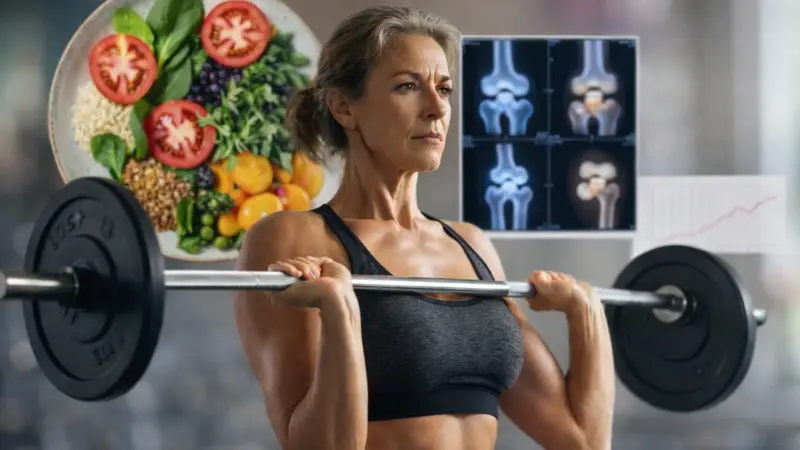
Don’t let anyone talk you out of strength training.
After age 40, especially after menopause, muscle mass and bone density drop quickly (up to 1–2% per year). Resistance training keeps muscles strong, speeds up metabolism, lowers the risk of falling, and helps people stay independent.
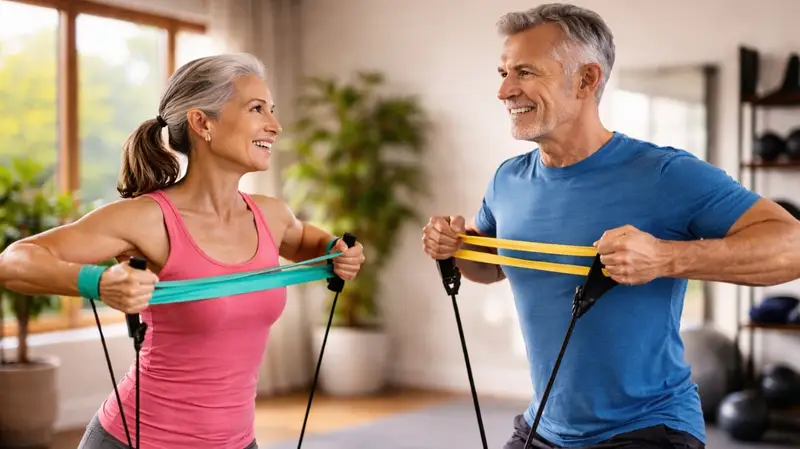
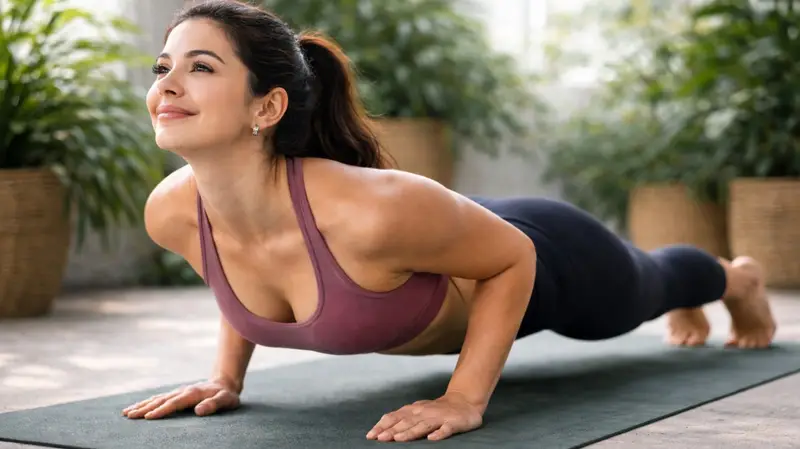
Do this: three times a week for 30 to 45 minutes. Focus on compound moves like squats, deadlifts, push-ups, or weights/resistance bands. Are you new? Begin with your own body weight. Studies show that it is one of the best things women can do for their long term health.
Put protein first, especially after age 40.
Hormonal changes make it harder to keep up with muscle, so women need more protein than ever.
A woman who weighs 65 kg should aim for 78–104g of protein per day. Eggs, lean meats, fish, lentils, Greek yogurt, cottage cheese, or protein shakes are all good sources of protein.
Bonus: Think about taking creatine, which is safe and good for women, to help keep your brain and muscles healthy.
Eat a Mediterranean-style diet that fights inflammation.
Menopause makes inflammation worse, which raises the risk of heart disease and weight gain. Eat a lot of fruits, vegetables, whole grains, olive oil, nuts, avocados, and fish that are high in omega-3s, like salmon and mackerel. Stop eating processed foods and too much sugar.
For gut health, eat more prebiotic fiber foods like onions, garlic, bananas, and oats. This will help your mood energy and metabolic resilience.
Treat Your Sleep Like Gold
Hot flashes and hormonal changes make it hard to sleep during perimenopause, which raises cortisol levels and speeds up aging.
 12 Yoga Poses to Improve Mobility Flexibility and Everyday Movement for a Stronger Healthier Body
Get 7 to 9 hours of good sleep. Make a schedule: go to bed at the same time every night, don’t use screens an hour before bed, and try magnesium supplements, chamomile tea, or a cool room.
Add Impact and Jumping to Make Your Bones Stronger
After menopause, bone loss speeds up. Moves with a lot of impact are better for bone density than moves with a lot of low impact.
Try doing high-impact aerobics, jumping jacks, or jumping rope for 10 minutes three times a week. It’s easy to do, but it works well to lower the risk of fractures.
Help your nervous system and deal with stress
Chronic stress is bad for your ovaries and your health in general. Do things every day to make yourself more emotionally strong.
Deep breathing, yoga, meditation, cold showers (for the vagus nerve), or humming are all quick wins Mark Hyman calls strong social ties (friends, family, community) “biologically protective,” and they have been shown to lengthen life.
Keep an eye on and improve your metabolic health
When estrogen levels drop, insulin sensitivity, blood sugar, and cholesterol levels change.
What to do: Walk after meals, eat foods with a low glycemic index, and think about intermittent fasting with your doctor’s help. Build your VO2 max (a mix of cardio and strength training). It’s one of the best signs of how long you’ll live and how well you’ll fight disease.
Build Foundations Early (20s–40s Prevention)
Don’t wait for signs. Keep your ovarian reserve safe by keeping a healthy weight, not smoking, and balancing your hormones through your lifestyle. New tests for ovarian aging could soon become common. Start good habits now to make midlife easier.
Last Thoughts
In 2026, women’s health will really improve, going from managing menopause to proactive, life-stage care. These small, regular habits can make a big difference in how long you live. Start with one today. You could add a strength training session or eat more protein. Your future self will be grateful!