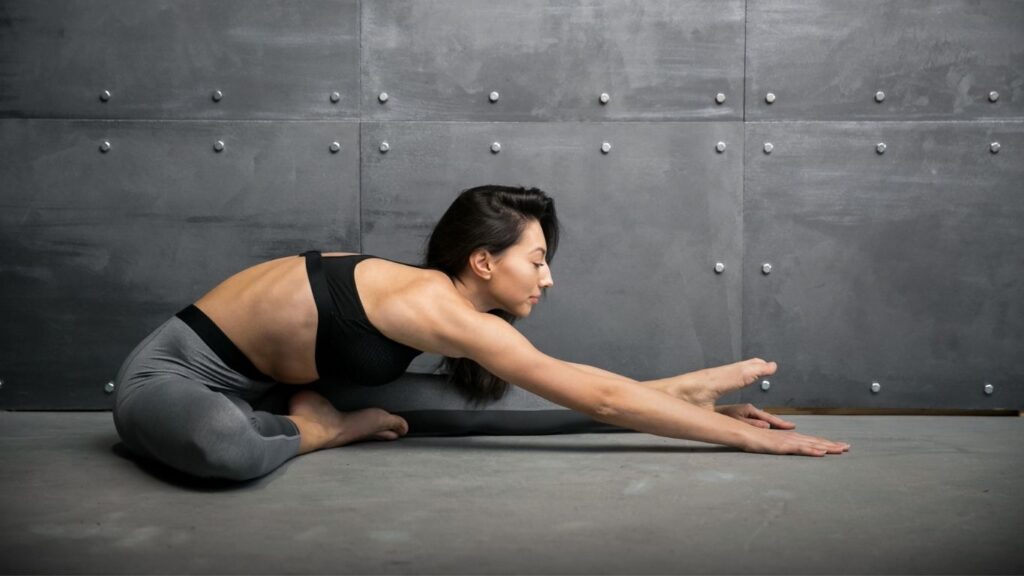
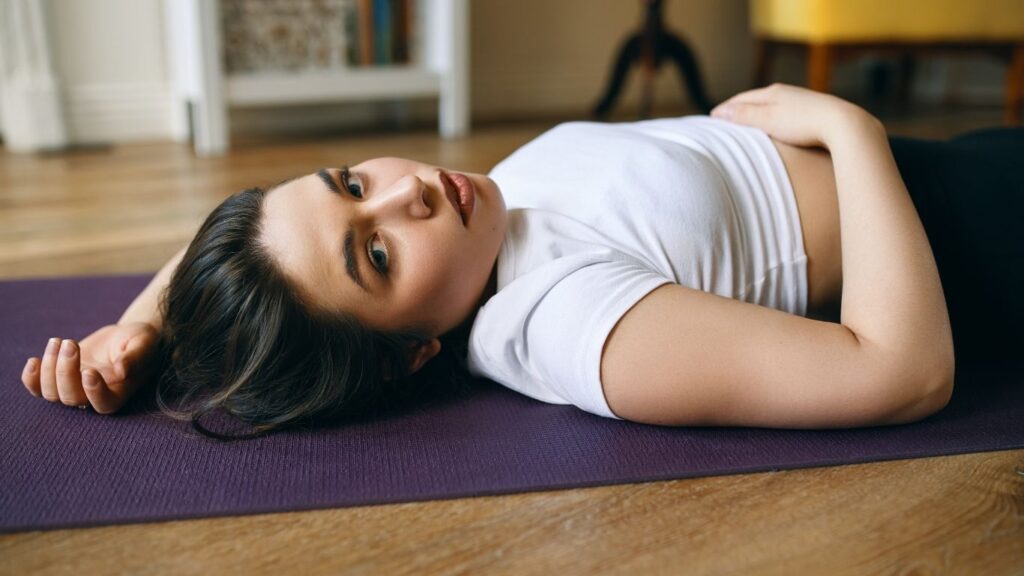
Core is weak by the end long periods of sitting, driving, or deep abdominal muscles that protect your spine. The good news is that you don’t need to spend a whole hour at the gym to fix that. If you do an 8-minute yoga routine every day, it can wake up your core, improve your posture, and build real strength from the inside out.
This short sequence is controlled breathing steady holds, and being aware aware of your transitions. It’s easy to use, useful, and surprisingly effective you only need a mat and eight minutes of your time.
Why Core Strength is Important
Your midsection is more more than just your abs. It includes the diaphragm, lower back muscles transverse abdominis, and obliques. These muscles keep your spine stable protect you from back pain, and help you move almost every time you do.
A stronger core helps you:
- Don’t slouch when you sit down.
- Get rid of lower back pain
- Get better at balancing and coordinating
- Be more sure of yourself when you move around in everyday life.
Crunches and yoga work work the core in different ways. It trains stability and endurance instead of doing the same thing over and over. Holding your body in control builds functional strength.
1. Plank Pose
Begin in a high plank position with your shoulders over your wrists. Press down hard on the mat with your fingers spread wide. Gently pull your belly toward your spine without holding your breath.
For one minute, hold.
From your head head to your heels, keep your body in a straight line. If full plank is too hard, lower your knees but keep your abs tight. Pay attention to your breathing.
This pose works deep transverse abdominis which is the muscle acts like a natural corset around your waist.
2. Plank on your forearms
Lower yourself down so that your elbows are under your shoulders. Hold your hands together or keep them flat.
For one minute, hold.
Forearm plank makes things harder by taking away wrist support and making your core work harder to stay stable. Push your heels back and picture pulling your elbows toward your toes without moving them. That small touch makes the middle part of the body light up.
3. Pose of the Boat
Sit with your knees bent and your feet flat. Keep your spine long and lean back a little. Raise your feet so that your shins are level with the floor. Put your arms out in front of you.
Keep it up for one minute.
Straighten your legs if you feel comfortable. Lift your chest. Don’t let your lower back give way.
Boat Pose works rectus abdominis and hip flexors directly and also tests your balance. It might shake a little. That’s normal.
4. Plank on the right side
Go back to the plank position and put your weight on your right hand. Put your feet on top of each other or move your top foot slightly forward for support. Raise your left arm up toward the ceiling.
Keep it for 30 seconds.
The obliques which shape the waist and keep twisting movements stable get stronger with side plank. Keep your core tight and your hips up.
5. Left Side Plank
Do it again for 30 seconds on the other side.
Put the same amount of work into each side. If you need to lower your bottom knee to change.
6. Hold the boat low
Lay down on your back lift your legs and shoulders a few inches off the mat. Keep your lower back gently pushing into the floor. Your arms are out to the side.
For one minute, hold.
This pose makes your stomach muscles work harder. Bend your knees a little if your lower back lifts. Instead of straining, focus on breathing in a controlled way.
 Observation Game: Spot Hidden Differences in the Elephant Pictures to Test Visual Attention Skills
7. Bridge Pose with Core Engagement
Bend your knees and stand with your feet hip-width apart. Push your feet down and lift your hips. While in bridge, gently pull your belly button in.
Hold for a minute.
Bridge works the glutes and lower back which help keep the core stable. It’s not just the front of the body that makes a strong midsection. It’s important to find balance.
8. Twisting while sitting
Sit up straight with your legs out. Cross your right knee over your left leg and bend it. Gently turn to the right.
For 30 seconds, hold, and then switch sides for 30 seconds.
Twists work the obliques and make it easier for the spine to move. Keep the movement slow and steady.
How to Make It Work Better
Intensity is less less important than consistency. If you do this routine four to five times a week, you should see a big difference in your strength and posture in just a few weeks.
To make it harder:
- Slowly lengthen the time you hold
- Add leg lifts in plank that you can control.
- Take your time moving from one pose to the next.
Always put form form ahead of speed. You build a strong core by being precise, not rushing.
What to Expect in Terms of Results
You might feel:
- Better sitting posture
- Less tightness in the lower back
- Better balance
Visible definition takes takes longer and depends on your overall lifestyle like what you eat and how much sleep you get. But practicing regularly makes internal strength grow quickly.
This 8-minute yoga routine may not seem long but it works your whole midsection if you do it with focus. Yoga is beautiful because small daily efforts add up to real strength over time.
Questions and Answers
How often should I do this 8-minute yoga routine?
For best results you should do it four to five times a week. If you stick with it even three times a week can help you get stronger.
Is this routine good for people who are just starting out?
Yes. You can change each pose. You could for instance drop your knees in plank or keep them bent in Boat Pose. Begin where you are and move forward slowly.
Will this help me lose belly fat?
Core exercises make the muscles under the fat stronger but losing fat depends on how many calories you eat how much you move and how you live your life. This routine helps with posture and toning.
Can I do this with other workouts?
Yes for sure. This routine is great for warming up finishing up after cardio or doing a quick workout on days when you don’t have much time.
What if my lower back hurts?
It’s normal to feel some muscle fatigue but not sharp pain. Check your form especially when you’re in Low Boat and Plank. See a qualified teacher or doctor if the pain doesn’t go away.