
A lot of people are worried about belly fat because of how it looks. Your clothes fit tighter, your waistline gets bigger, and you might lose confidence. But most people don’t know that some kinds of belly fat are worse than others. There are two types of fat: subcutaneous fat, which is soft and easy to pinch, and visceral fat, which is deeper in the abdomen. This fat that you can’t see surrounds important organs like the liver and intestines. Over time, it can change how the body works.
What is visceral fat?
Deep inside the abdominal cavity is where visceral fat is stored. Visceral fat wraps around internal organs, while subcutaneous fat sits under the skin. It is normal and even helpful in small amounts. But when it builds up too much, it becomes metabolically active in ways that could make inflammation worse and throw off the balance of hormones. A lot of people don’t notice that it is getting bigger until other changes start to happen because it is hidden.
Why visceral fat is thought to be more dangerous
Too much visceral fat has been linked to metabolic problems like lower insulin sensitivity and higher levels of inflammation throughout the body. Over time, this may make it more likely that you will have problems with your heart or blood sugar. The worry isn’t about how it looks on the outside; it’s about how it feels on the inside. If you don’t deal with this kind of fat, it can slowly change your health over time because it interacts with hormones and inflammatory processes.

Signs that visceral fat may be growing
One common sign is that the waistline gets bigger over time, even if the person’s overall body weight stays about the same. Many people think that the number on the scale is less important than the size of their waist. Another sign could be constant heaviness or bloating in the stomach area, especially if it doesn’t get better with simple changes to your diet.
Low energy levels even after getting enough sleep can also be a sign of metabolic imbalance. Some people notice that they want sugary or highly processed foods more, which could be because their blood sugar levels are changing. Another factor is long-term stress, which raises cortisol levels and makes it easier for the body to store fat in the stomach. Lastly, having trouble losing belly fat even though you’re losing weight in general could mean that you’re storing more fat.
Why Visceral Fat Tends to Rise After 30
The body starts to change naturally after the age of 30. Hormone levels may change, metabolism may slow down a little, and muscle mass may slowly go down. This effect is made worse by modern life, since many adults sit for long periods of time, are constantly stressed, and have trouble sleeping. This combination makes the body store more fat in the belly area over time, especially around the internal organs.
The Role of Stress and Hormones
Stress has a big effect on how fat is spread out in the body. Cortisol levels stay high when the body is under stress for a long time. Cortisol affects how and where fat is stored, and it often causes fat to build up around the middle. This is why it’s important to manage stress for both mental health and metabolic balance. Simple things you can do every day, like walking, limiting screen time late at night, keeping a regular sleep schedule, and doing slow breathing exercises, can help control how your body reacts to stress.
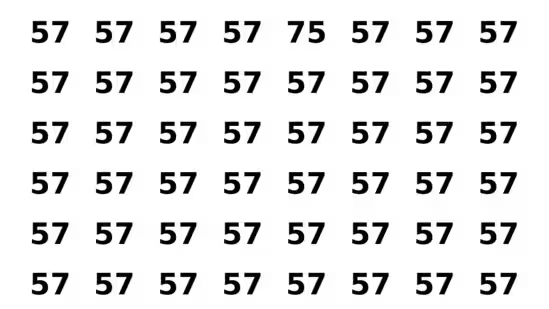
 7 Second Optical Illusion: Can You Spot the Hidden Odd Number Among 57s Before Time Runs Out
Is it possible to lose visceral fat?
Instead of extreme diets, visceral fat responds best to small, steady changes in your lifestyle. Strength training helps you gain muscle, which makes your body more sensitive to insulin and works better overall. Putting enough protein first helps keep muscles strong and keeps blood sugar levels stable. Getting enough sleep is very important for hormone balance, and cutting back on highly processed foods can help lower inflammation.
Daily small, sustainable habits are usually better than short-term, strict rules. The aim is not swift weight reduction but a gradual enhancement of metabolic health.
A Fair Point of View
You shouldn’t be afraid of visceral fat; you should learn about it. As we get older, our bodies naturally change, and some modern habits can make these changes happen faster. But being aware of things and sticking to steady, realistic habits can have a big impact on long-term results. Over time, paying attention to your waist size, energy levels, stress levels, and overall quality of life can make a big difference.
Health improvements don’t happen overnight very often. They grow slowly, just like visceral fat does. Consistency, not intensity, is what leads to long-lasting results.
Disclaimer: This article is not medical advice; it is only meant to give you information. Always talk to a qualified healthcare professional about your health to get personalised advice.