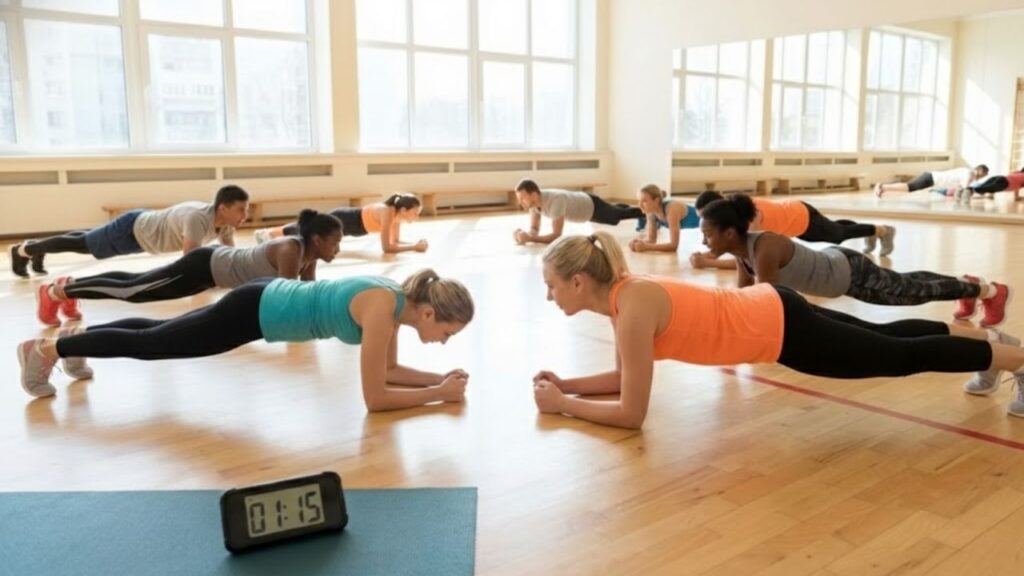
Planks are one of the simplest yet most effective exercises for building a strong and stable core. However, the amount of time you should hold a plank can vary depending on age, physical condition, and fitness experience. In the United States, fitness experts often recommend adjusting plank duration according to different age groups to maintain safety and effectiveness. By understanding the right plank hold time for your age, you can improve muscle endurance, protect your spine, and gradually develop stronger abdominal and back muscles without putting unnecessary stress on the body.
Plank Hold Timing for Children and Teenagers
Younger individuals usually have good flexibility and natural body strength, but their training should still focus on safety and gradual development. For children and teenagers, plank exercises are best kept short while emphasizing correct posture and controlled breathing. Shorter holds performed consistently help build foundational strength and improve body awareness. Maintaining early core development, practicing youth fitness safety, supporting growing muscle stability, and encouraging active lifestyle habits are key goals at this stage. Instead of pushing for long durations, young exercisers benefit more from multiple sets that focus on balance, alignment, and proper technique.
Recommended Plank Duration for Adults
Adults often aim to use planks as a primary exercise for strengthening the abdomen and improving overall stability. Most trainers recommend moderate hold times combined with consistent repetition to achieve the best results. Adults can gradually increase plank duration as their endurance improves, but maintaining correct form should always come first. Focusing on adult strength training, improving daily core endurance, developing body alignment control, and maintaining consistent workout routine helps build long-term strength. Instead of chasing extreme hold times, adults should prioritize stability and controlled breathing to ensure the exercise remains both effective and safe.
 Yoga Poses That Rehydrate Stiff Hip Joints Naturally and Restore Comfortable Flexible Movement
Plank Hold Recommendations for Older Adults
As people age, maintaining core strength becomes important for balance, posture, and injury prevention. Older adults may not need to hold planks for long durations; even short holds can provide significant benefits when performed correctly. Gentle progression and attention to comfort levels are essential. Practicing senior fitness balance, strengthening spine support muscles, maintaining healthy mobility routine, and focusing on low impact exercise helps older individuals stay active without straining the body. Modified planks, such as knee planks or incline planks, are also excellent options for maintaining core engagement while reducing pressure on the joints.
Why Age-Based Plank Timing Matters
Adjusting plank hold time based on age ensures that the exercise remains safe and effective for everyone. Younger individuals can focus on developing technique, adults can build endurance, and older adults can maintain strength and stability. The goal is not to compete for the longest plank hold but to create a sustainable routine that strengthens the core gradually. By following an age-appropriate strategy that includes personalized fitness approach, maintaining injury prevention focus, encouraging steady strength progress, and building lifelong exercise habits, people of all ages can enjoy the benefits of stronger core muscles.
| Age Group | Recommended Plank Time | Sets per Session | Primary Goal |
|---|---|---|---|
| Children (8–12) | 10–20 seconds | 3–4 sets | Basic core development |
| Teenagers (13–19) | 20–40 seconds | 3–5 sets | Strength and coordination |
| Adults (20–39) | 40–90 seconds | 3–5 sets | Endurance and stability |
| Middle Age (40–59) | 30–60 seconds | 3–4 sets | Posture support |
| Older Adults (60+) | 15–30 seconds | 3 sets | Balance and mobility |
Frequently Asked Questions (FAQs)
1. How long should beginners hold a plank?
Beginners usually start with 10–20 seconds and increase the time gradually as strength improves.
2. Are longer plank holds always better?
No, maintaining correct posture and core engagement is more important than holding the plank longer.
3. Can older adults safely perform planks?
Yes, modified or shorter planks can help older adults improve balance and core strength safely.
4. How often should you include planks in workouts?
Most experts recommend performing planks three to five times per week for consistent results.